Adapting Your HVAC for Climate Change: What Homeowners Need to Know Jun 04, 2026
Climate change can have a significant impact on the performance and efficiency of your HVAC systems. Hotter summers and cold winters mean your system will likely be working harder and more frequently, leading to increased energy consumption and potential wear and tear. Not only does this affect your utility bills, but it can also shorten the lifespan of your equipment. To mitigate these effects, regular HVAC maintenance becomes even more crucial. This includes routine inspections, cleaning, and servicing of both heating and cooling components.
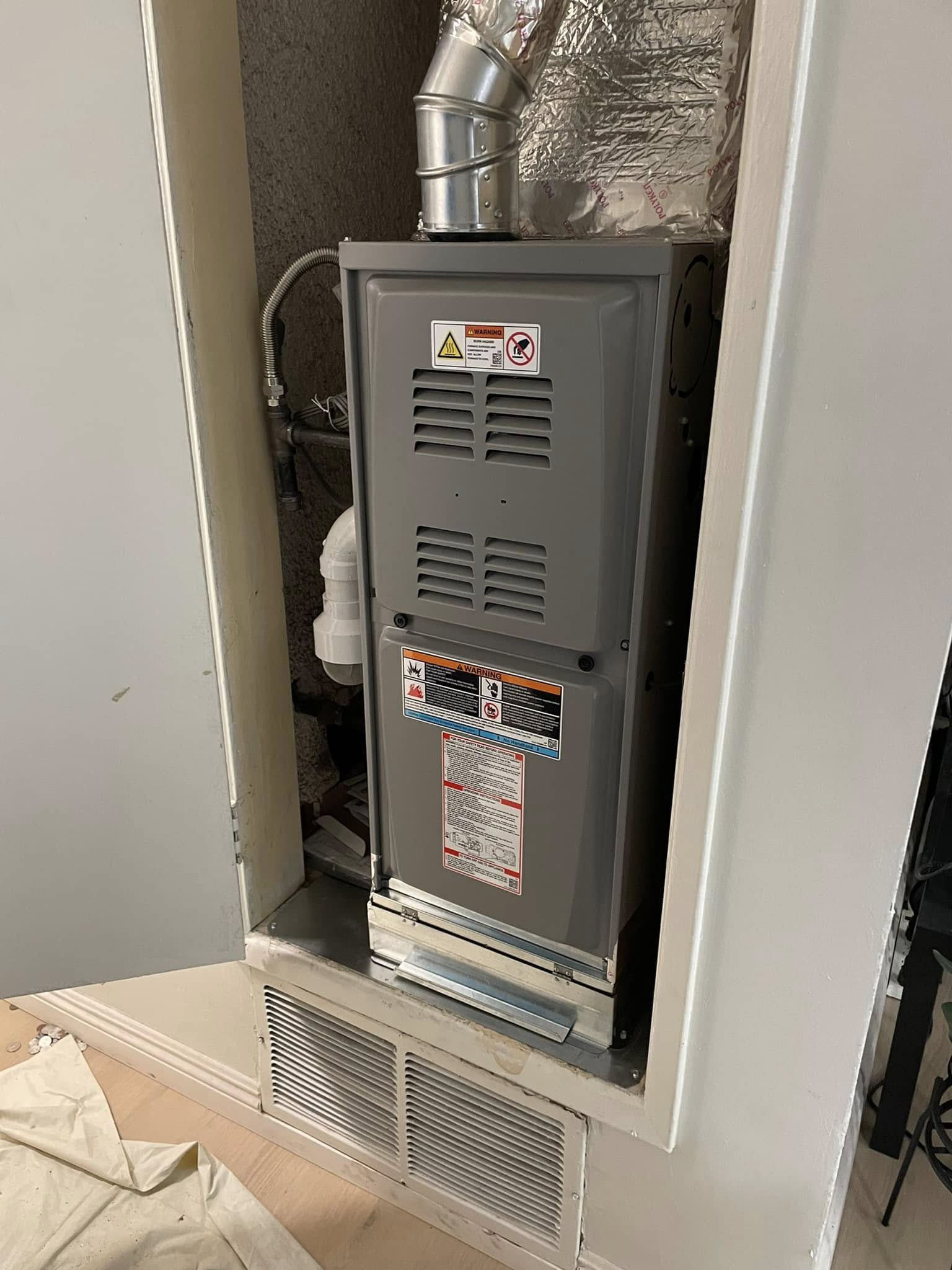
One of the key strategies in adapting your HVAC system for climate change involves upgrading to more efficient systems. Consider transitioning to energy-efficient models such as heat pumps or systems with high seasonal energy efficiency ratios (SEER). Modern HVAC systems are designed to consume less energy while providing the same level of comfort, helping to lower your carbon footprint as well as your energy costs. These energy-efficient systems are often adapted to handle extreme temperatures more effectively, ensuring your home remains comfortable regardless of external conditions.
Another important consideration is integrating smart technology into your HVAC system. Smart thermostats, for instance, allow you to have better control over your home's temperature settings, reducing unnecessary energy consumption. These devices can adjust the temperature based on your schedule and preferences, providing comfort when you are home and minimizing energy use when you are away. This adaptability is crucial in times of fluctuating weather conditions.
Beyond upgrading equipment, proper insulation and sealing are critical for improving your home's energy efficiency. Ensure that your home is well insulated and that there are no air leaks, as this can significantly reduce the burden on your HVAC system by maintaining the desired indoor climate more steadily and efficiently. Effective insulation reduces the need for heating and cooling, providing sustainable savings year-round.
At Continental HVAC, we recommend homeowners also consider the use of renewable energy sources, such as solar panels, to power their HVAC systems. Renewable energy can further reduce the environmental impact and can sometimes provide financial incentives through various rebate programs.
In conclusion, adapting your HVAC system to the realities of climate change is not just about maintaining comfort; it's also about making cost-effective and environmentally friendly choices. Acting now by upgrading to more efficient models, integrating smart technology, and ensuring your home is effectively insulated will go a long way in preparing your HVAC systems for the future. By taking these steps, you not only protect your home environment but also contribute to a larger effort towards sustainability. Consult a professional at Continental HVAC to evaluate the best solutions tailored to your home’s specific needs, ensuring you remain comfortable and efficient in the face of a changing climate.
/filters:no_upscale()/filters:format(webp)/media/2c4aaa87-eb37-4d68-9b73-c020f88d1568.jpeg)
/filters:no_upscale()/filters:format(webp)/media/a7d34246-794d-4632-b22f-055cf6ba6e45.jpeg)