Decoding HVAC Terminology: A Guide for Homeowners Apr 07, 2026
Let’s begin by exploring fundamental HVAC terms that are crucial for homeowners. Understanding these terms can help you appreciate your system's functionality and ensure it operates efficiently.
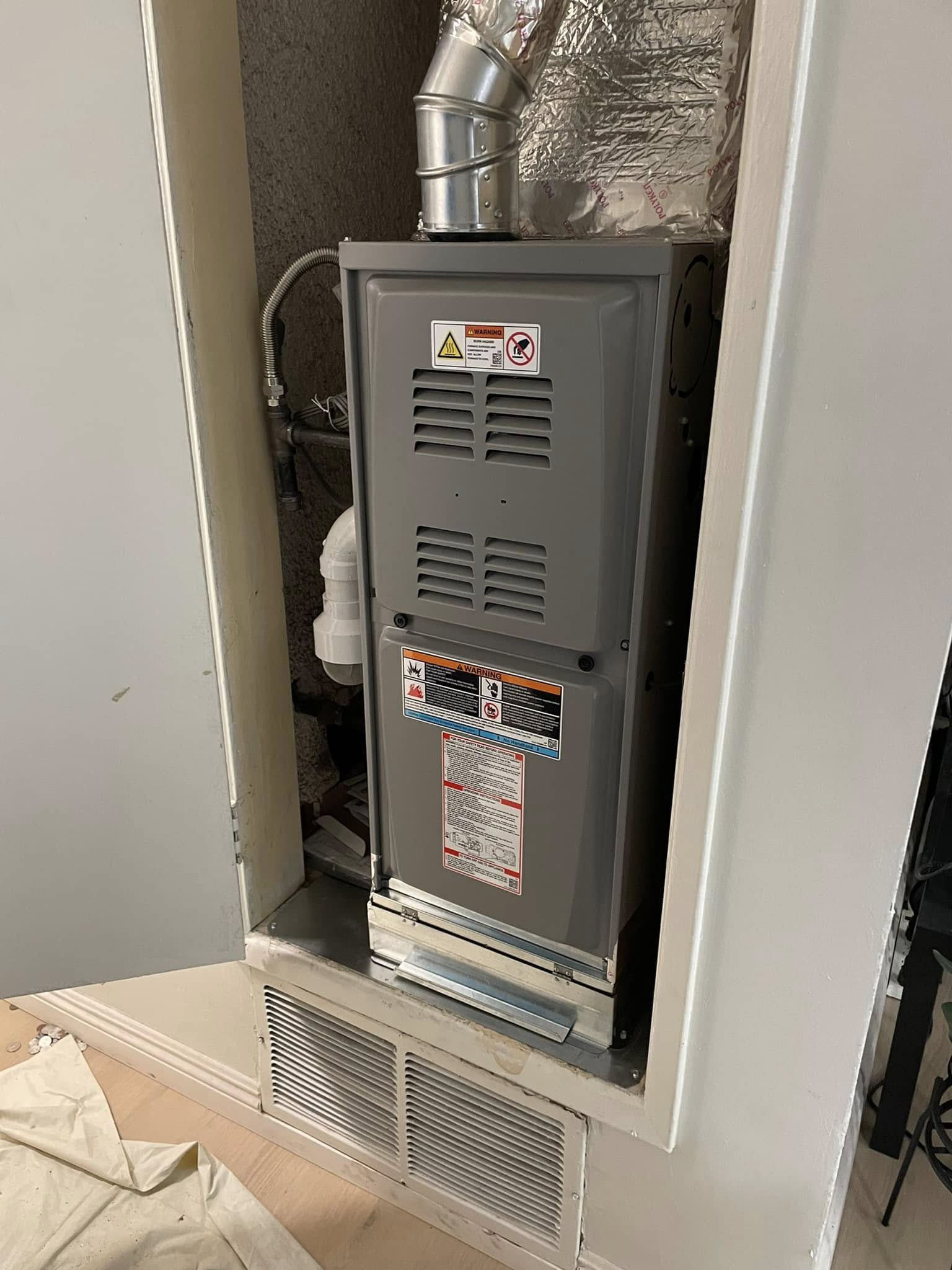
One of the key components of your heating system is the furnace. The furnace is responsible for producing heat, which is then circulated throughout your home. This brings us to the term BTU, which stands for British Thermal Unit. It measures the amount of heat required to raise the temperature of one pound of water by one degree Fahrenheit. Selecting an HVAC system with the appropriate BTU capacity is essential for efficient heating and energy consumption.
Another critical term is SEER, or Seasonal Energy Efficiency Ratio. SEER ratings measure the efficiency of air conditioners or heat pumps over an entire cooling season. Units with higher SEER ratings consume less energy, translating to lower utility bills. For those considering a new system, opting for a higher SEER unit can result in substantial long-term savings.
Let's move on to common ventilation terms. You might often hear about air filters. These components remove dust, pollen, and other pollutants from the air, ensuring better indoor air quality. Replacing or cleaning air filters regularly is crucial for maintaining a healthy home environment and ensuring efficient HVAC system performance.
Next, we have the thermostat, the device controlling your HVAC system's temperature settings. Thermostats can range from simple manual models to advanced programmable or smart thermostats, which offer more control and energy savings. Smart thermostats learn from your habits and can adjust settings automatically, paving the way for optimal energy efficiency.
Ductwork also plays a significant role in your HVAC system. Ducts are passageways that distribute air from your HVAC unit into the different rooms of your home. Leaky ducts can significantly decrease efficiency, increase energy bills, and cause uneven cooling or heating. Ensuring your ductwork is in good condition is crucial for optimal system performance.
A term you might encounter when discussing heating systems is heat pump. Unlike traditional systems that generate heat, heat pumps transfer heat from the outside air into your home during winter, and reverse the process in summer to provide cooling. They are often more energy-efficient than other heating systems, making them a popular choice for eco-conscious homeowners.
Lastly, we mention zone heating. This feature allows different areas of your home to be heated or cooled independently, enhancing comfort and energy efficiency. Zoning systems are perfect for homes with significant temperature differences between rooms, as they allow customized heating and cooling solutions.
In conclusion, familiarizing yourself with HVAC terminology empowers you as a homeowner. Understanding basic terms like furnace, SEER, air filter, and others can save you money and improve your home's comfort. At Continental HVAC, we are committed to helping you make informed decisions about your system. Stay informed, stay efficient, and turn your home into a model of comfort and energy efficiency. If you have more questions or need professional assistance, don’t hesitate to reach out to Continental HVAC for expert guidance.
/filters:no_upscale()/filters:format(webp)/media/2c4aaa87-eb37-4d68-9b73-c020f88d1568.jpeg)
/filters:no_upscale()/filters:format(webp)/media/a7d34246-794d-4632-b22f-055cf6ba6e45.jpeg)