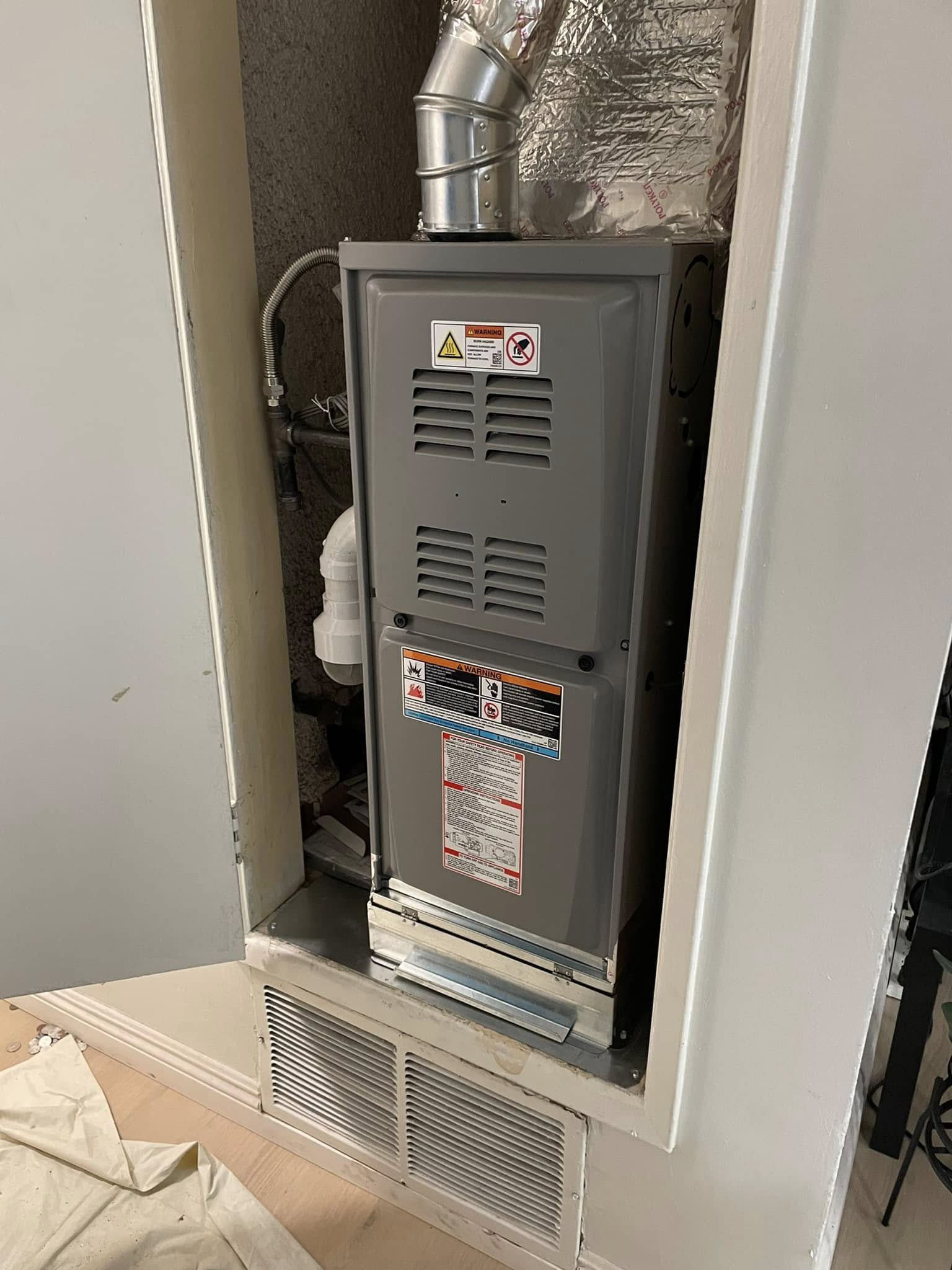
How to Optimize Your HVAC System for Maximum Energy Savings Jul 01, 2026
Begin by ensuring that your HVAC system is regularly maintained. Routine maintenance can significantly enhance the efficiency of your system, leading to reduced energy consumption. Regular check-ups by a professional can identify potential issues before they escalate, ensuring your system runs smoothly. Schedule these check-ups at least twice a year, ideally in the spring and fall.
Next, pay attention to your system's air filters. Dirty or clogged filters force the system to use more energy by working harder to push air through. To avoid this, replace air filters every one to three months, especially during heavy usage periods in summer and winter. This simple step not only improves your system’s efficiency but also enhances indoor air quality.
Another crucial aspect of optimizing your HVAC system is the thermostat. Upgrading to a programmable or smart thermostat is a wise investment. These devices allow you to set different temperatures for various times of the day, ensuring energy is not wasted when the house is empty. For example, you can schedule the thermostat to lower the heat or air conditioning while you're at work and return to a comfortable setting before you arrive home. This approach not only optimizes energy use but also offers significant savings on energy bills.
Proper insulation is another key factor. Heat loss through walls, ceilings, and floors can cause your HVAC system to work overtime. Check for and seal any leaks around windows, doors, and ductwork. Adding insulation in attics, walls, and around ductwork can keep temperatures consistent inside your home, reducing the workload on your HVAC system. Make sure your home is well-sealed to avoid energy losses.
In addition, consider the efficiency rating of your HVAC system. Systems with a high SEER (Seasonal Energy Efficiency Ratio) rating are more energy-efficient and can significantly reduce energy consumption. If your current system is outdated, consider upgrading to a more modern, energy-efficient model. While this may require an initial investment, the long-term savings on energy costs make it worthwhile.
Ventilation is also critical. Ensure that your vents are open and unobstructed by furniture or drapes to allow for proper airflow. Blocked vents force the system to work harder than necessary. Furthermore, using ceiling fans can help circulate air more efficiently, allowing you to adjust the thermostat setting slightly and still maintain comfort.
In conclusion, optimizing your HVAC system for maximum energy savings involves a combination of regular maintenance, upgrades to more efficient components, and ensuring your home is well-insulated and ventilated. By following these steps, you can not only reduce your energy bills but also extend the life of your HVAC system. At Continental HVAC, our experts are committed to helping you achieve optimum performance from your HVAC system, ensuring comfort and savings all year round. Contact us today for a comprehensive evaluation of your HVAC system and take the first step towards maximizing your energy efficiency.
/filters:no_upscale()/filters:format(webp)/media/2c4aaa87-eb37-4d68-9b73-c020f88d1568.jpeg)
/filters:no_upscale()/filters:format(webp)/media/a7d34246-794d-4632-b22f-055cf6ba6e45.jpeg)