The Art of Balancing Humidity Levels with Your HVAC System May 11, 2026
Understanding why humidity balance is crucial helps to lay the foundation for effective HVAC use. Humidity generally refers to the amount of water vapor in the air. When humidity levels are too high, homes can feel hotter, prompting residents to crank up the air conditioning, which in turn drives up energy bills. Excessive humidity can also lead to mold growth, damaging both health and property. On the flip side, very low humidity can cause discomfort by drying out skin, hair, and respiratory passages, and it may also affect wooden furniture and flooring.
To maintain a balanced humidity level, the first step is understanding what constitutes ideal humidity. Typically, a range between 30% to 50% is recommended for indoor spaces. While a hygrometer can provide accurate readings, a modern HVAC system designed or tuned by professional services like Continental HVAC can help keep these levels in check almost autonomously. Most quality HVAC systems come equipped with programmable thermostats or smart technologies capable of monitoring and adjusting humidity automatically.
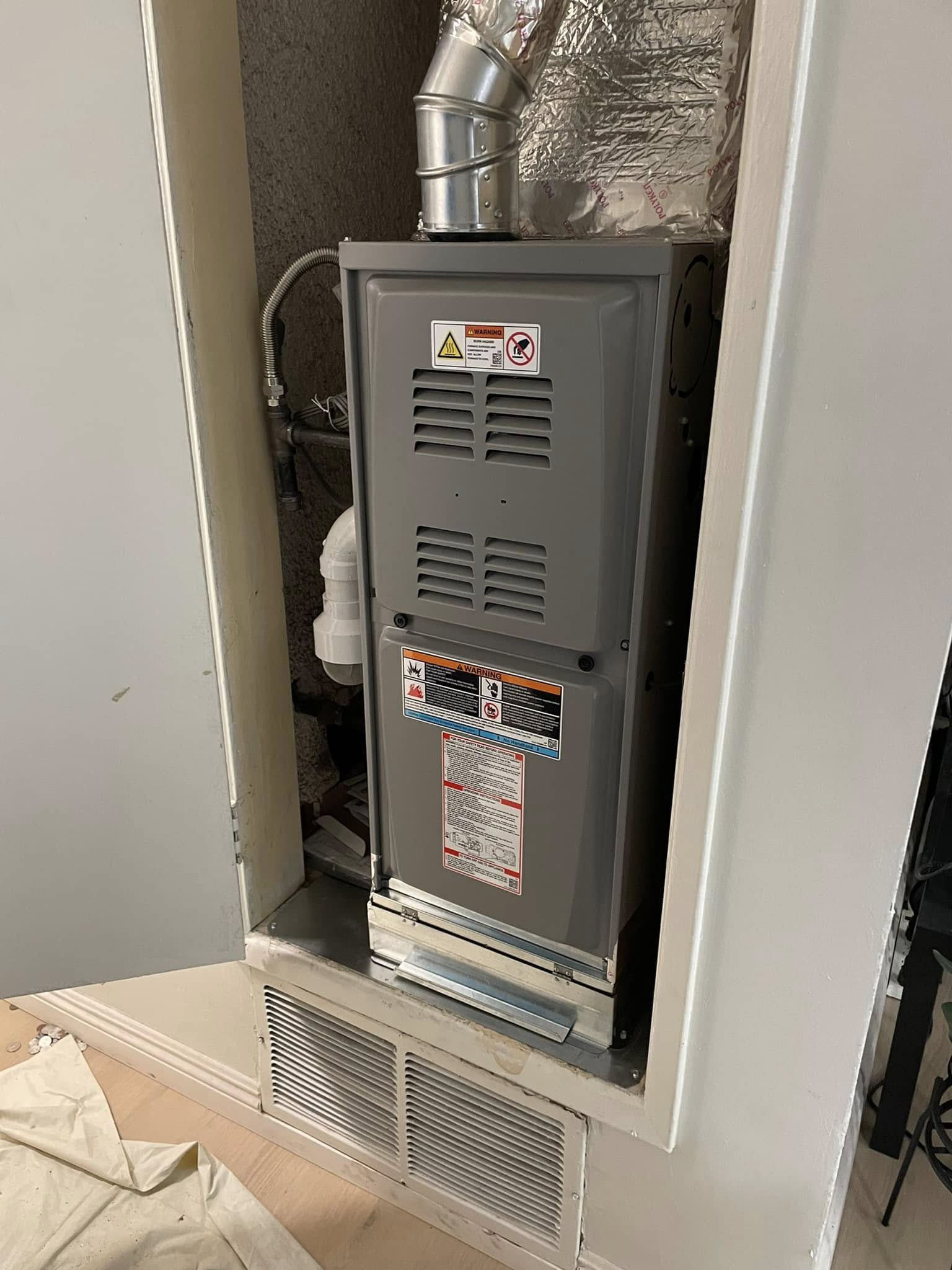
Efficient HVAC systems can significantly contribute to optimal humidity control. For instance, a humidifier can be installed as part of your HVAC setup to increase moisture during dry winter months. Conversely, a dehumidifier might be needed if your home becomes too humid, especially in warmer climates or during the summer. An integrated system ensures that the ideal balance is maintained without requiring constant manual adjustments.
Regular maintenance of your HVAC system also plays a crucial role in humidity control. At Continental HVAC, we insist that homeowners schedule routine inspections and maintenance services. This proactive approach helps identify potential issues before they escalate into bigger problems affecting the system's ability to regulate humidity. Clean filters, unobstructed vents, and properly calibrated thermostats are pivotal in ensuring the efficiency of your HVAC system in controlling humidity.
Additionally, adopting a comprehensive approach that combines your HVAC system with proper ventilation and air circulation can further enhance humidity control. Opening windows when the weather permits, using exhaust fans in kitchens and bathrooms, and maintaining good airflow through proper ventilation are effective supplementary methods.
It is equally important to be mindful of activities that might spike humidity levels within your home. Cooking, showering, and indoor plant watering can all increase indoor moisture levels. Being aware of these activities allows you to take timely action, such as turning on exhaust fans or temporarily increasing ventilation.
In conclusion, balancing humidity levels with your HVAC system requires understanding both your equipment and your environmental needs. Entrusting this to a professional service like Continental HVAC ensures the system is in peak condition to offer you comfort, safety, and savings. By combining smart technology with strategic home practices, you can achieve the gold standard of humidity control without the hassle. Whether it's installing new components or merely tuning up your existing system, remember that proper humidity management adds immense value to your living experience.
/filters:no_upscale()/filters:format(webp)/media/2c4aaa87-eb37-4d68-9b73-c020f88d1568.jpeg)
/filters:no_upscale()/filters:format(webp)/media/a7d34246-794d-4632-b22f-055cf6ba6e45.jpeg)