The Evolution of HVAC Systems: From Traditional to Modern Solutions Jun 15, 2026
Initially, HVAC systems were relatively straightforward, primarily serving the purpose of heating a space. Traditional systems relied heavily on coal and wood, which were less efficient and required significant labor to maintain. As the demand for more sophisticated solutions grew, the focus shifted towards improving efficiency and integrating climate control, leading to significant innovations in the field.
Fast forward to the 20th century, the introduction of electricity marked a revolution in the HVAC industry. Electric air conditioners and heaters became more widespread, offering a more consistent and manageable solution compared to their predecessors. By mid-century, HVAC systems began incorporating thermostats, which allowed for better regulation of indoor temperatures, reducing energy consumption and providing a more comfortable living environment.
The development of central air conditioning systems was a significant milestone in HVAC evolution. These systems eliminated the need for cumbersome window units, providing a more aesthetic and comprehensive solution to climate control. Additionally, advancements in materials and technology improved insulation methods, further optimizing energy use.
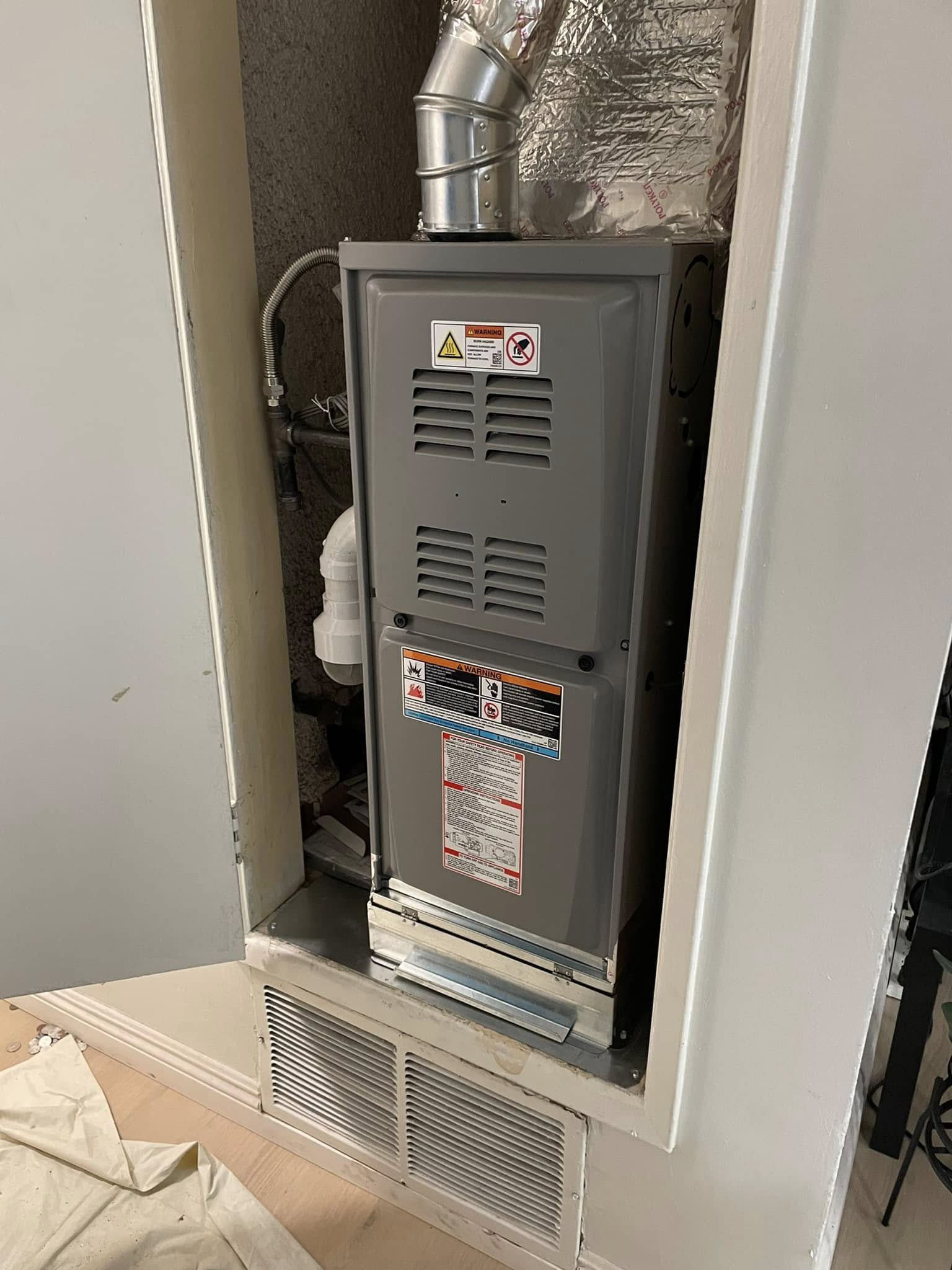
Today, the HVAC industry is characterized by an emphasis on energy efficiency, sustainability, and smart technology. Modern HVAC systems incorporate cutting-edge innovations such as variable speed compressors and smart thermostats, which allow for precise climate control. These advances not only enhance comfort but also significantly reduce energy costs, aligning with the growing environmental awareness among consumers.
One of the pressing concerns for homeowners and businesses is the environmental impact of their HVAC systems. As a response, manufacturers have been adopting eco-friendly refrigerants and technologies that minimize carbon footprints. Geothermal heating and cooling systems have emerged as a notable example of sustainable technology, utilizing the Earth's constant underground temperature to regulate indoor climates efficiently.
Moreover, the rise of smart technology has ushered in a new era of HVAC solutions. Smart thermostats, such as those capable of learning user preferences and adjusting settings automatically, represent the pinnacle of convenience and efficiency. This shift towards intelligent HVAC solutions not only enhances user experience but also contributes to significant energy savings. Integration with home automation systems further exemplifies how HVAC technology is evolving to meet the demands of a connected lifestyle.
As a customer of Continental HVAC, staying abreast of these innovations empowers you to make informed decisions about your heating and cooling needs. Whether you are considering upgrading to a more energy-efficient model or incorporating smart technology, understanding the evolution of HVAC systems can guide your choices and ensure optimal comfort and savings.
In conclusion, the journey of HVAC systems from traditional to modern solutions is a testament to how technology continuously reshapes our living environments. With advancements in energy efficiency and sustainability, alongside the integration of smart technologies, the future of HVAC looks promising and aligned with the growing needs of customers. Embracing these changes can lead to improved comfort, reduced energy costs, and a smaller environmental footprint, providing clear benefits for all homeowners and businesses.
/filters:no_upscale()/filters:format(webp)/media/2c4aaa87-eb37-4d68-9b73-c020f88d1568.jpeg)
/filters:no_upscale()/filters:format(webp)/media/a7d34246-794d-4632-b22f-055cf6ba6e45.jpeg)